
Projects
OPNZPS Project – Partizan Cultural Centre (KCP)
OPNZPS Project – Partizan Cultural Centre (KCP)
Introduction
The cosmopolitan spirit of the Partizan Sports Society has, since its foundation in 1945, been reflected in its openness to all sports enthusiasts regardless of origin, nationality, religion or skin colour. For decades, people from different backgrounds have recognised and embraced the traditional values of Belgrade and Serbia, naturally connecting with the achievements of the black-and-white sporting family, whose clubs opened their doors wide to them. Although Yugoslavia no longer exists, Partizan remains one of the most recognisable ambassadors of those values in the region, across Europe and—thanks to modern communications—throughout the world. Olympic values, rooted in Belgrade's rebellious and freedom-loving spirit, are woven deeply into Partizan's sports schools. Over eight decades, a unique system was created that produced more Olympic athletes and medals than any other sports society in the world. This tradition reaches beyond sport, shaping generations of athletes as well as engineers, artists, scientists, teachers, entrepreneurs and workers who proudly identify themselves as part of Partizan's culture. It is precisely this culture that connects members and supporters, regardless of profession or social status. Whether athletes, coaches, doctors, professors, entrepreneurs, pensioners or taxi drivers, they all preserve a sense of belonging and readily answer every call to support their club. It would therefore be wrong to reduce this community to ‘supporters’ alone. It is a much broader and more complex network of people who contribute every day to the development of a culture of excellence in Serbia. For that reason, we regard the establishment of the Partizan Cultural Centre as a major undertaking of national importance. Over recent decades, numerous exhibitions, conferences, lectures, films, plays, concerts and events have explored Partizan and its influence on society. The Partizan Cultural Centre will preserve, develop and present these values, offering contemporary answers to twenty-first-century challenges and using sport as a platform for cultural, educational and social development and dialogue. For eighty years, Partizan has shaped people to become better. This cultural phenomenon will now have a home of its own at Partizan Stadium in Humska Street, on Topčider Hill.OPNZPS / KCP
01 / 11Partizan Cultural Centre Project
1. Vision and Core Idea
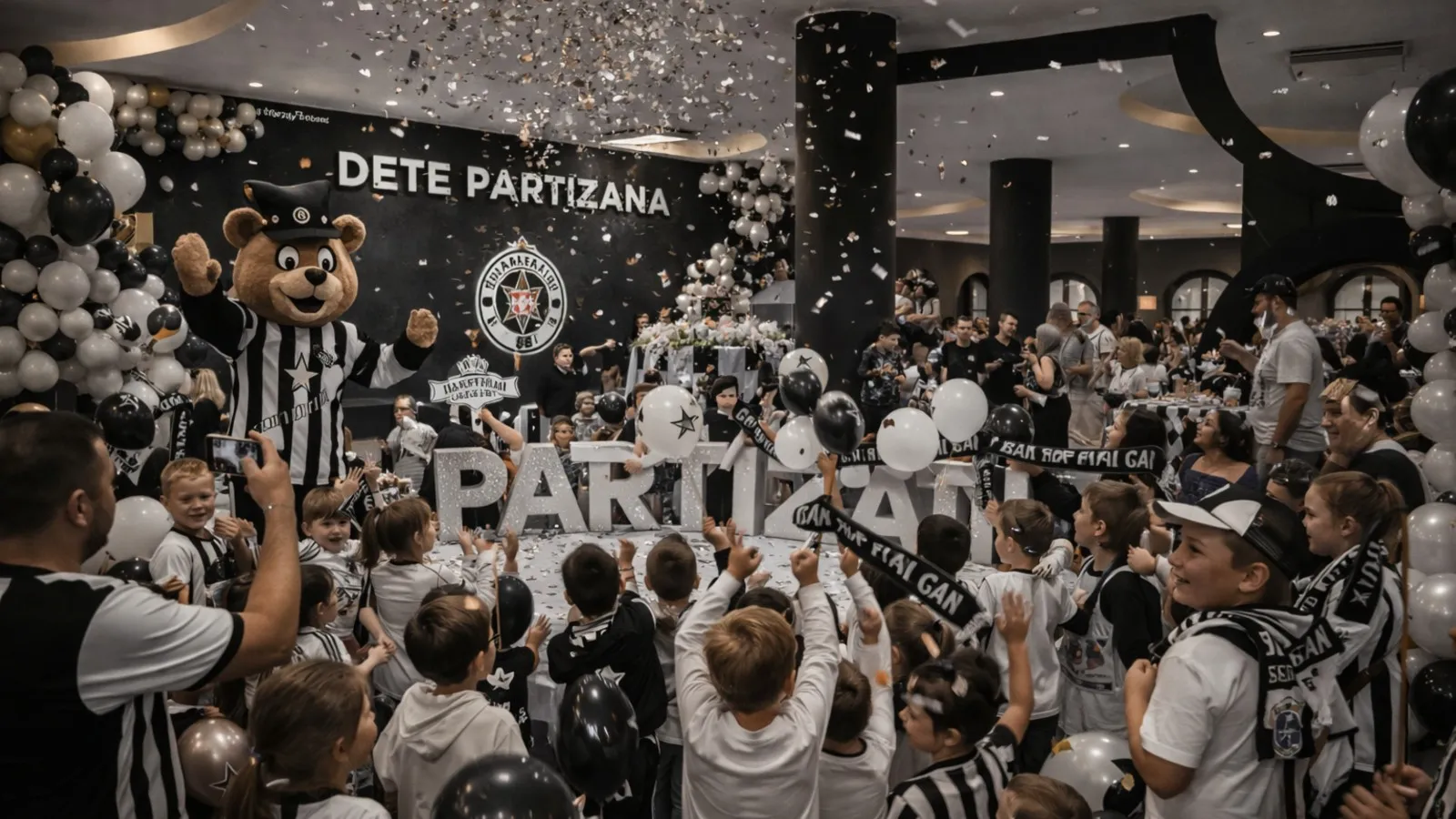
The Partizan Cultural Centre will comprise three interconnected areas: the Partizan Sports Society museum, an event hall and a landscaped garden. KCP is conceived as the central gathering place for Partizan's members, supporters and friends—a space connecting tradition, contemporary spirit and the Sports Society's social mission. The centre will be multifunctional, combining cultural, sporting, educational and commercial programmes. Part of its profit will be reinvested in the Cultural Centre and part will support member clubs of the Partizan Sports Society. Built on the site of the former Partizan restaurant, the new centre will revitalise the area and become a symbol of the club's unity and identity. It will host sports congresses, conferences, public discussions, concerts, themed evenings and shared match screenings, as well as commercial events including weddings, birthdays and corporate gatherings. Alongside concerts, the summer programme will include food and cultural festivals representing the countries of origin of Partizan players, reflecting the cosmopolitan tradition and character of the Sports Society's clubs. Match screenings will be reserved for membership card holders from all Partizan sections, and the events calendar will be updated regularly. The centre's aesthetic will be modern, minimalist and inspired by sport. Its initial interior will be simple but striking, with LED panels and elements that allow the space to be transformed quickly. Further interior development will be financed by reinvesting profits.2. Location and Urban Context
KCP will occupy the premises and garden of the former Partizan restaurant within the JNA Stadium sports complex. The location offers visibility, easy access and a direct connection with the stadium and its supporting facilities. The stadium car park will be available when Partizan Football Club is not playing, a significant advantage over other nearby venues. The concept includes improved access areas, signage and integration with public spaces.3. Programme and Capacity
KCP comprises the following functional areas:- Main hall (250 m²)
- Partizan Sports Society Museum of Olympic Values (200 m²)
- Garden with a stage and bars
- Kitchen (200 m²)
- Administrative and technical rooms